AI can now ‘see’ optical illusions. What does it tell us about our own brains?
AI can now ‘see’ optical illusions. What does it tell us about our own brains?
https://www.bbc.com/future/article/20251218-how-ai-is-shedding-new-light-on-optical-illusions
Publish Date: 2026-01-12 05:00:00
Source Domain: www.bbc.com
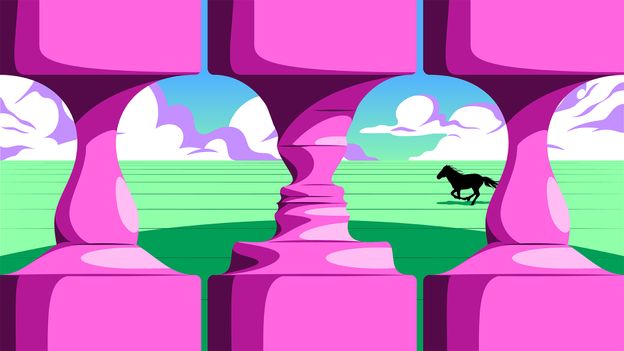
- Ivan Maksymov from Charles Sturt University’s Artificial Intelligence and Cyber Futures Institute created a model combining quantum physics and AI to simulate perceptual phenomena like the Necker cube and Rubin vase illusion.
- The model uses a deep neural network and the phenomenon of quantum tunnelling to process information and recognize these illusions.
- The AI developed by Maksymov can switch between the two interpretations of the illusions over time, mirroring human behavior.
- The time intervals for these switches in the AI are similar to those observed in human perception tests.
- Maksymov emphasizes the importance of this research field, especially in the context of future human space exploration.
- Although the research does not suggest that the brain has quantum properties, it indicates that quantum theory can better model certain aspects of human cognitive processes, such as decision-making.


